What happens when a Septic Tank gets too Full?
Signs Your Septic Tank Is Full
A full septic tank doesn’t always announce itself immediately, but some common warning signs include slow drainage from your sinks, tubs, and toilets as solids clog the outlet pipes, gurgling pipes, foul odours and worst of all, sewage backups into your home. Telltale signs include:
Slow-draining sinks, toilets, or showers – Water may back up due to excessive solids in the tank.
Unpleasant odours – Foul smells near the tank or around the property can indicate overflow.
Pooling water or muddy areas – Wastewater may seep into your yard if the tank cannot handle more.
Gurgling sounds in drains – Air trapped in the system may create unusual noises.
Hazards of an Overfilled Septic Tank
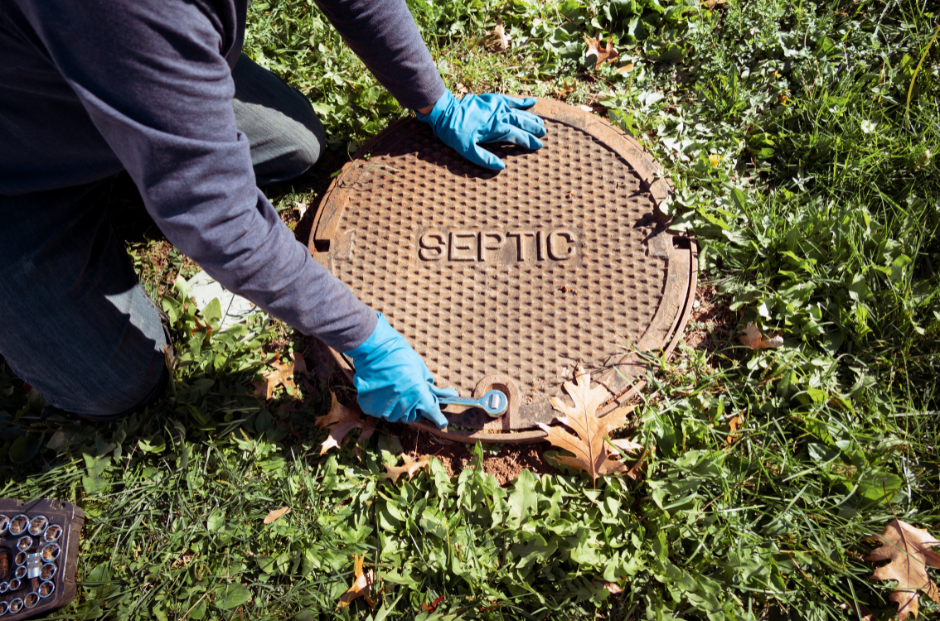
With our busy lifestyles, it's easy to overlook our septic systems, that is, until the unexpected happens. A full septic tank can create serious problems if it isn’t emptied in time. When the tank overflows, untreated wastewater can back up into toilets, sinks, and showers, causing foul odours, water damage, and exposure to harmful bacteria. It can also seep into your yard, contaminating soil and nearby waterways, increasing the risk of illness and environmental damage. It's important to stay on top of your septic tank by scheduling regular inspections and septic tank pumping with wastewater specialists to help prevent these hazards and keep your wastewater system operating safely and efficiently. Hazards include:
- Sewage backups inside the home – This is not only unpleasant but also a health hazard.
- Damage to your plumbing system – Excess pressure can cause pipe blockages or leaks.
- Environmental contamination – Overflowing septic tanks can pollute soil, groundwater, and nearby waterways, affecting wildlife and plants
- Costly repairs – Emergency pumping or repairs can be much more expensive than regular maintenance.
Schedule Regular Septic Tank Maintenance & Pump Out
Prevention is always better than cure, and this is especially true for your septic tank. Ensuring your tank does not overfill is far easier and far less costly than dealing with the consequences of a backup. Regular maintenance, including scheduled pumping and inspections, helps keep your system functioning efficiently and extends its lifespan and avoids emergency repairs. Professional septic tank maintenance includes:
Pumping the Tank - Removing accumulated sludge and scum from the septic tank every 3–5 years (or more often for larger households) to prevent overflow and backups.
Inspecting the System - Checking the tank, pipes, and drain field for leaks, blockages, or damage. This includes monitoring water flow, checking for unusual odours, and ensuring the drain field is absorbing wastewater properly.
Checking Effluent Levels - Ensuring that the liquid waste leaving the tank is at the correct level and flowing smoothly into the drain field.
Maintaining the Drain Field - Avoiding heavy machinery, excessive water use, or planting trees/shrubs near the field to prevent soil compaction or root intrusion.
Monitoring Household Practices - Being mindful of what goes down the drains—avoiding chemicals, grease, or non-biodegradable items that can clog or damage the system.
What to Do If Your Septic Tank Is Full
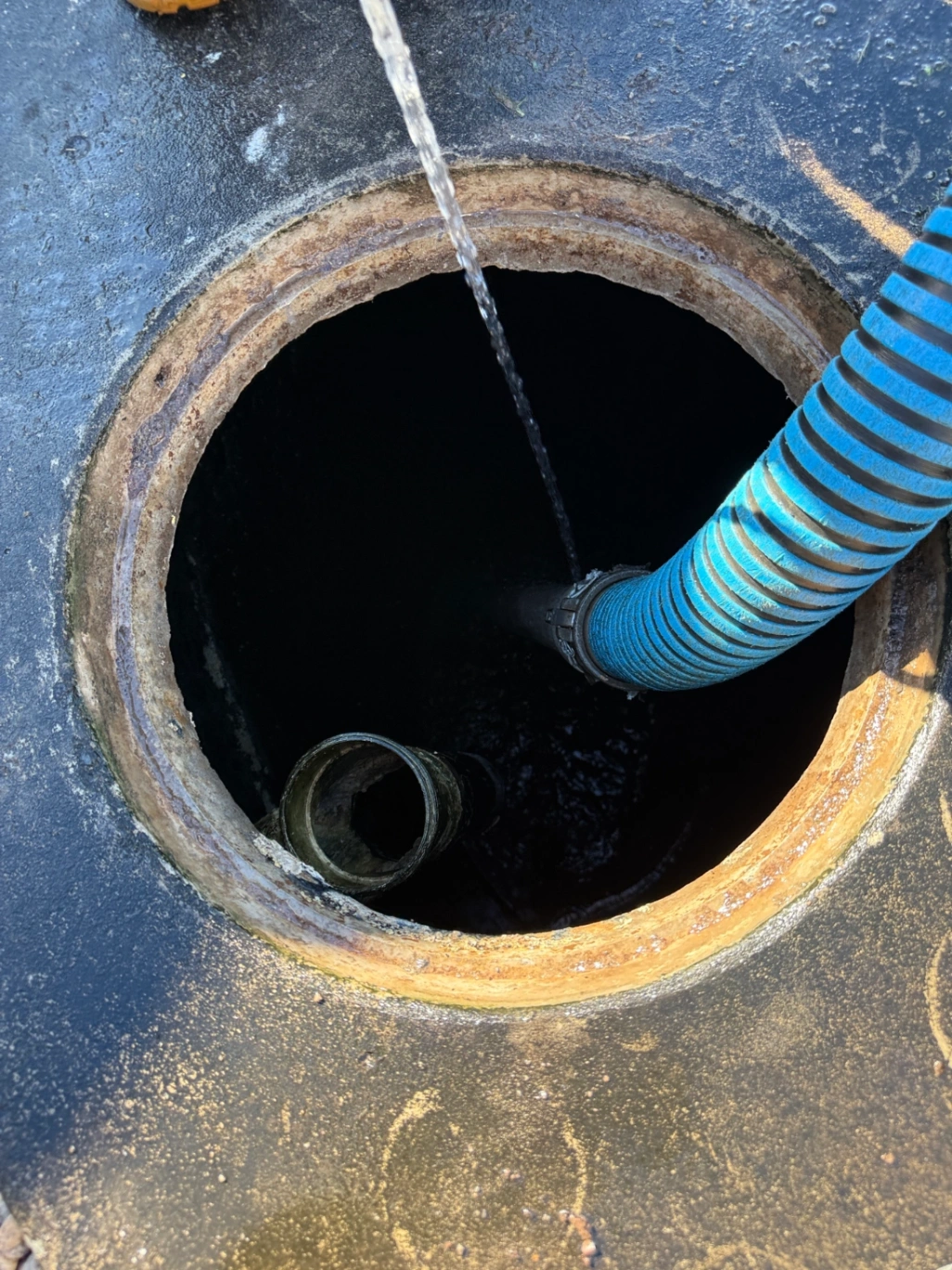
If your septic tank is too full, the first step is to limit water use immediately to prevent further overflow or backups. Avoid flushing toilets, running washing machines, or using taps until the issue is addressed. Contact a licensed septic professional as soon as possible to pump and inspect the tank, as delaying can lead to sewage backing up into your home or yard. Ongoing maintenance, including regular pumping and mindful water use, will help prevent the problem from happening again. If you notice any warning signs, act immediately:
✔️Call a licensed septic service – Professionals can safely pump and inspect your tank.
✔️Reduce water usage – Minimise household water flow until the system is serviced.
✔️Avoid using harsh chemicals – Strong cleaners can disrupt the tank’s natural bacterial processes.
Express Wastewater, your Septic Tanks Experts
A well-maintained septic tank protects your home, health, and property value. Call Express Wastewater on 1300 770 594 for prompt, effective septic tank solutions and avoid overflows and costly repairs.