Which Dishwasher Tablets are Best for Septic Tanks?
Dishwashers offer a convenient way to clean your dishes with minimal effort, and you will find this beloved appliance in most homes. It’s a total game-changer for busy households, especially those with young families.
If you are in an area that is connected to the council’s mains sewer system, you don’t have to worry about the types of cleaning products you use. However, if you live rurally and rely on your septic tank, it’s important to consider what products are safe for your septic system.
The cleaning products you use around your house will all eventually end up in your septic system. While most household detergents can be used in moderation, regularly introducing excessive amounts of harsh chemicals can interfere with the natural treatment process.
Choosing dishwasher tablets and detergents that are suitable for your septic system is a simple way to help look after your wastewater system and avoid unnecessary problems down the track.
What Dishwashing Products Should You Look Out For?
When you are shopping for dishwashing cleaning products and tablets, it’s easy to get overwhelmed as there are so many to choose from these days. Luckily, we’ve created a handy guide for what to look out for when you are shopping.
Phosphate-Free Dishwasher Tablets
Phosphates are commonly used in cleaning products to help remove dirt and grease. However, when too much phosphate is added to your septic tank, it can harm the natural balance of the bacteria that help to break down your household’s waste.
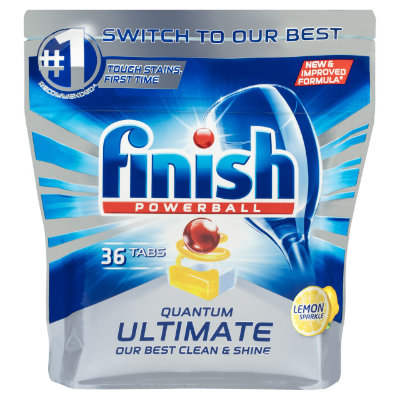
Adding too much phosphate can also lead to problems later down the track and impact your local environment, polluting the waterways and encouraging algae overgrowth. Look for products labelled phosphate-free, like Finish dishwashing tablets.
Biodegradable Ingredients
Biodegradable cleaning products contain ingredients that can break down through natural biological processes.
This is something worth considering when you have a septic tank since microorganisms play an important role in breaking down organic matter inside your system.
You'll also find newer alternatives, such as dishwasher sheets, which are designed to dissolve during the wash cycle. Many sheets use concentrated cleaning formulations and are marketed as an alternative to traditional tablets and powders.
However, don't assume that every biodegradable or eco-friendly product is automatically suitable for septic systems. Be sure to check the ingredients and look for products that are specifically recommended for onsite wastewater systems.
Low Sodium Dishwasher Detergents
Some dishwasher detergents contain sodium-based ingredients to help with cleaning performance.
While these ingredients aren't automatically harmful to every septic system, high sodium levels can affect your soil over time. This can be a concern for properties that rely on soil-based effluent disposal, particularly where the soil is already sensitive to changes in salinity.
When comparing dishwasher products, lower-sodium alternatives are worth considering, especially if your wastewater system uses an absorption trench or land application area.
| Dishwasher Detergent | What To Consider |
|---|---|
| Dishwasher Tablets | These are convenient and come in pre-measured doses. Check the ingredients and avoid using extra detergent unnecessarily. |
| Dishwasher Powder | Allows you to control the amount used, making it easier to avoid using too much. |
| Eco-Friendly Tablets | Are eco-friendly and phosphate-free, but always check the ingredients. |
| Dishwasher Sheets | A newer alternative to the usual dishwashing tablets and powders. It's entirely up to you. |
How To Use Your Dishwasher Without Damaging Your Septic System
Choosing the right dishwasher detergent is only one part of looking after your septic tank. Your everyday household habits also impact how much wastewater and organic material enters the system.
A few small changes can help reduce unnecessary loading and support the way your septic system works.
- Scrape plates before loading: Remove leftover food scraps rather than washing large amounts down the kitchen sink. This helps reduce the solids entering your septic tank.
- Keep fats and oils out of the sink: Grease can build up in pipework and contribute to blockages and scum accumulation inside your septic tank.
- Use the recommended detergent dosage: Adding more detergent won't necessarily give you cleaner dishes. Follow the manufacturer's instructions.
- Run full dishwasher loads: Avoid unnecessary wash cycles to help manage the amount of wastewater entering your system.
- Be mindful of other cleaning products: Dishwasher cleaners, rinse aids, and antibacterial products also enter your wastewater system, so choose them carefully.
- Spread out water usage: Try not to run several water-intensive appliances at the same time. This helps avoid sudden increases in wastewater entering your system.
These simple changes can make a difference.
What Happens If You Use The Wrong Dishwasher Detergent or Tablet?
Using the wrong type of dishwasher tablet or putting too much detergent in at one time isn’t a cause for alarm. Remember, your septic tank is designed to handle everyday household wastewater, including normal amounts of cleaning products.
However, consistently introducing excessive amounts of harsh chemicals can interfere with the biological processes that help break down household waste.
Depending on the ingredients and concentration, unsuitable cleaning products may contribute to:
- Disturbing the good bacteria in your septic system
- Reducing the efficiency of the treatment process
- Increased nutrient loading leading to environmental pollution
- An increased risk of developing problems with the effluent disposal area
If you notice unpleasant smells, wastewater pooling around your absorption trench or other changes in how your system operates, it's worth having it inspected by one of our expert septic technicians.
How To Use Your Dishwasher Without Damaging Your Septic System
Choosing the right dishwasher detergent is only one part of looking after your septic tank. Your everyday household habits also impact how much wastewater and organic material enters the system.
A few small changes can help reduce unnecessary loading and support the way your septic system works.
- Scrape plates before loading: Remove leftover food scraps rather than washing large amounts down the kitchen sink. This helps reduce the solids entering your septic tank.
- Keep fats and oils out of the sink: Grease can build up in pipework and contribute to blockages and scum accumulation inside your septic tank.
- Use the recommended detergent dosage: Adding more detergent won't necessarily give you cleaner dishes. Follow the manufacturer's instructions.
- Run full dishwasher loads: Avoid unnecessary wash cycles to help manage the amount of wastewater entering your system.
- Be mindful of other cleaning products: Dishwasher cleaners, rinse aids, and antibacterial products also enter your wastewater system, so choose them carefully.
- Spread out water usage: Try not to run several water-intensive appliances at the same time. This helps avoid sudden increases in wastewater entering your system.
These simple changes can really make a big difference.
Advantages of Maintaining a Healthy Septic Tank
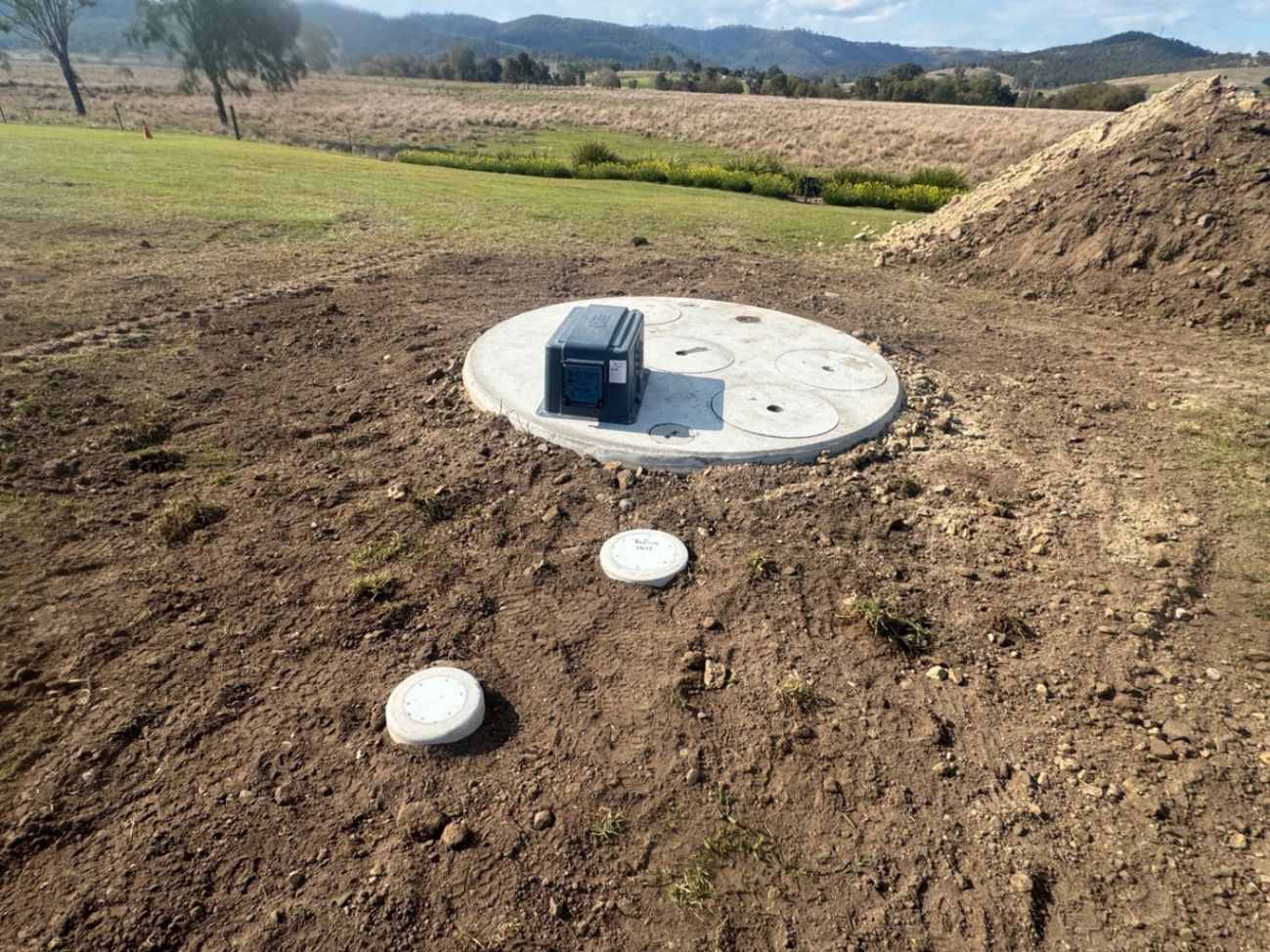
A well-maintained septic tank ensures safe sewage treatment for your household and helps prevent the spread of infections and diseases while protecting water resources. Septic tanks need to be pumped out approximately every two to five years to maintain optimal performance. However, if the system isn't functioning properly, it may require more frequent pumping and that is why using septic-safe products is so important.
When waste or solids enter your septic tank and aren't broken down properly, they can block the absorption trench. If this happens and pumping does not rectify the blockage it may need to be replaced incurring unnecessary costs for your household. As a septic tank owner, maintaining your system will significantly benefit both your household and your budget. A well-maintained septic tank will -
- Improve Efficiency - A well-maintained system processes wastewater more effectively, reducing backups and odours.
- Safeguard Health - Preventing leaks and blockages minimises the risk of harmful bacteria exposure.
- Prevents Costly Repairs - Regular maintenance reduces the risk of expensive repairs or system failures.
- Extend Lifespan - Proper care helps your septic system function efficiently for many years.
- Reduce Emergency Situations - Regular inspections and servicing help catch small issues before they become major problems.
- Protect the Environment - A healthy septic tank prevents harmful pollutants from contaminating soil and water sources.
- Boost Property Value - A properly functioning septic system can increase your property's value and appeal.
Reference: Sydney Morning Herald - Dishwaster Tablets: Campaign to Eradicate Products That Arent Squeaky Clean