What Cleaning Products Are Safe For Septic Systems?
If you live in a rural area, you might be using a septic system to treat all household wastewater. As we are spending more time indoors, understanding the DOs and DONTs of septic systems is essential. Harsh chemicals are a strict no-no for septic systems as you might know already.
In this article, we discuss the products safe for septic systems and also the products that are to be avoided.
If you need some more information about septic systems, give Express Wastewater a call at 1300 770 594 and we can help you out.
Why Are Septic-Safe Cleaning Products So Important?
If a cleaning product is labelled as “septic-safe”, it means that it won’t disturb the delicate bacterial balance within your septic tank. Septic systems need healthy bacteria to break down and process waste. Household products that contain harsh chemicals like bleach can kill the bacteria and lead to system malfunctions.
Septic-safe cleaning products are specifically designed to be biodegradable, free of harmful chemicals and gentler on your pipes and the environment than other products.
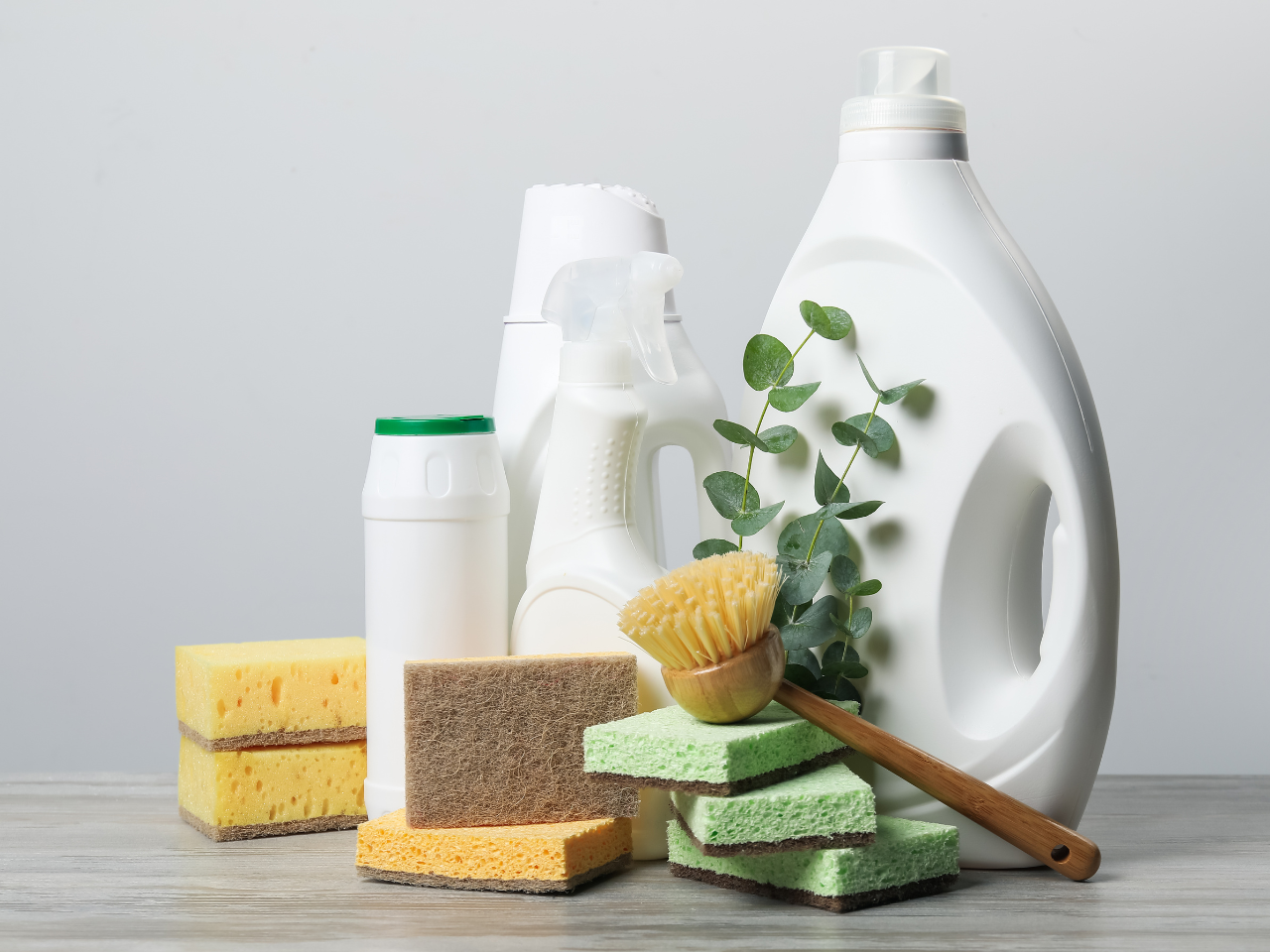
How Do I Know If My Cleaning Products Are Safe For My Septic System?
When you go to your local shop looking for household cleaners, it’s important to check the labels before you buy. While it can be tricky to read at first, there are a few things that you can look out for to make your choice a bit easier. These include:
- Natural or plant-based ingredients
- Non-caustic formulas that won’t corrode your pipes or harm your septic tank’s bacteria
- Cleaners that are free from bleach, chlorine and strong disinfectants
- Biodegradable products and ingredients
- Water-based cleaners and solutions rather than solvent-heavy formulas
- Cleaners with low sodium content, which helps maintain bacterial balance
Products labelled as “septic-safe” or biodegradable, chances are, it’s not suitable for your home’s septic systems
What to Avoid on Cleaning Product Labels
Some ingredients in your everyday cleaners are harmful to your septic systems and should be avoided wherever possible. These include:
- Bleach and chlorine-based cleaners
- Ammonia
- Phosphates
- Oils
- Heavy-duty solvent cleaners
- Sodium hydroxide (most commonly found in drain cleaners)
- Antibacterial soaps and detergents
Used in small amounts, these products should be ok but if used all the time, they can start to weaken and damage your septic system’s effectiveness.
What Dishwasher Products Are Safe For Septic Systems?
If you live in a busy household, chances are you are running your dishwasher multiple times a day. Many dishwasher tablets and powders contain phosphates, antibacterial agents and harsh chemicals. It’s also important to note that powdered dishwasher detergents can contribute to sludge and residue within your pipes and septic tank.
When buying dishwashing tablets and products, choose:
- Phosphate-free formulas
- Eco-labelled or biodegradable detergents
- Avoid heavy chemical rinse aids and tablets
- Products that are specifically “septic-safe”
Is Toilet Paper Septic Safe?
When choosing toilet paper, it’s easy to go with what you know. However, if your home has a septic system, you’ve got to consider its needs as well - your favourite toilet paper brand might not be septic-safe. Next time you go to buy toilet paper, look out for these qualities:
- Biodegradability: Septic-safe toilet paper should be able to break down quickly in water and avoid clogging up your pipes.
- Strength vs. Dissolvability: Strong toilet paper is convenient and comfortable; it should dissolve quickly.
- Additive Free: Many toilet papers have fragrances and contain chemicals that can harm your septic system.
Can I Use Essential Oils In My Cleaning Products?
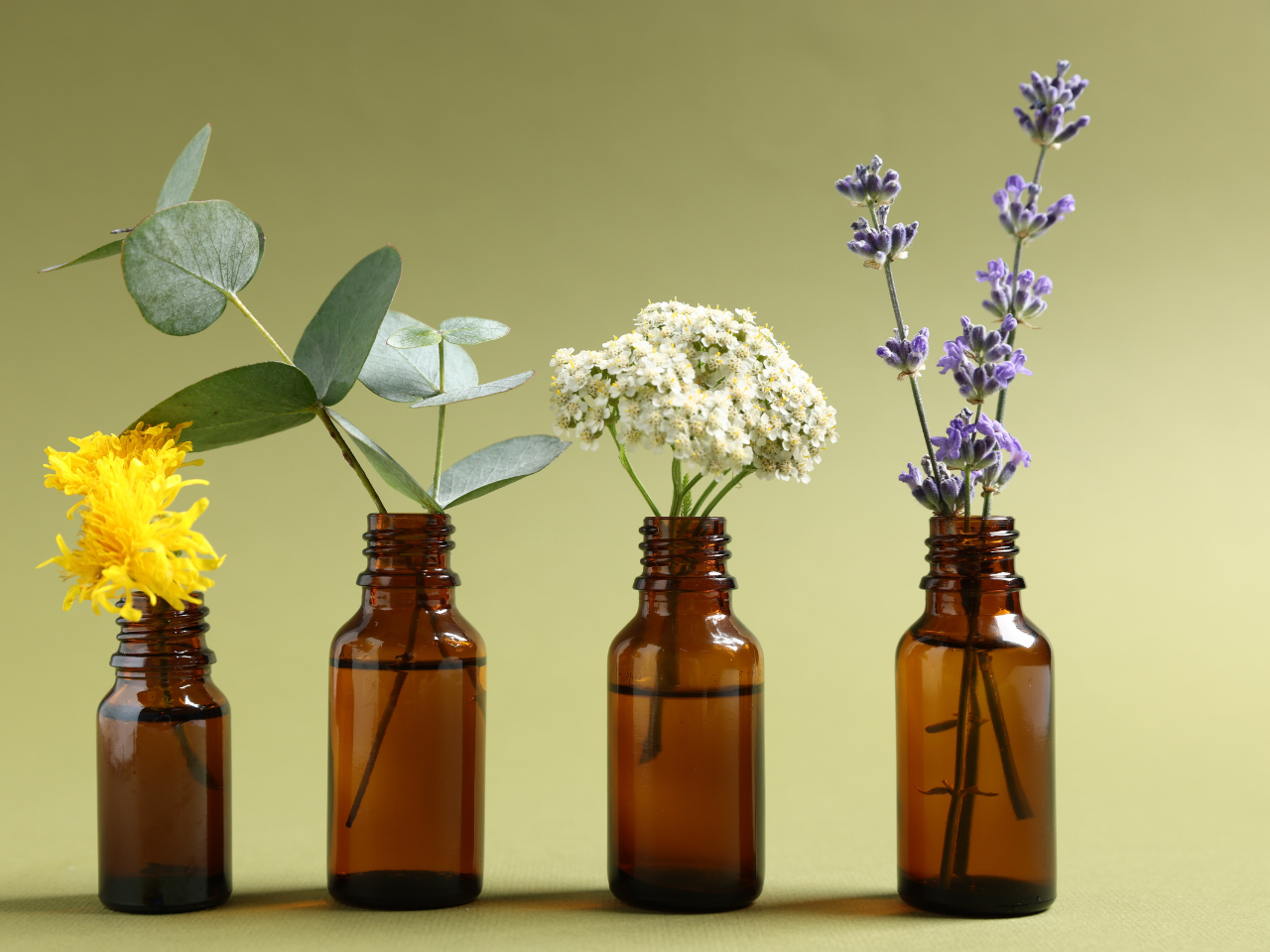
Putting a couple of drops of essential oils in your bath after a stressful day or making a natural, homemade cleaner can seem like an eco-friendly and safe choice. While it is ok in small amounts, it’s important to understand how essential oils can affect your septic system.
Essential oils contain natural antibacterial properties, meaning they can disturb the balance of the healthy bacteria in your septic tank. These bacteria are essential for breaking down your home’s waste and keeping your system working properly. If you use too many essential oils, it can directly impact your system’s efficiency and performance.
How Do I Keep My Septic System Healthy and Safe?
To keep your septic system healthy and working effectively, choose cleaning products that are specifically labelled as "septic-safe" and always read product labels to ensure they are non-toxic, natural and biodegradable. Reducing the amount of harsh chemicals entering your septic system helps to maintain the healthy bacteria that are needed to break down waste effectively.
Avoid pouring fat, grease and cooking oils down your sink, as they solidify and block the pipes, damaging your septic tank.