Do You Need Council Approval For a Septic Tank Installation?
Do You Need Council Approval To Install A Septic Tank?
Yes. Under Queensland law, all on-site wastewater systems (OSSFs) need council approval. This applies to:
New Home Builds: All properties and homes that are built off your local main sewer grid.
System Upgrades and Replacements: Replacing an aging, failing septic system with a new, more efficient system.
Extending Your Home or Adding a Granny Flat: Adding a second dwelling increases the amount of wastewater and the pressure on your property’s septic system.
Off-Grid and Remote Properties: Even if you live on large blocks of land, you are still legally required to apply for a plumbing and wastewater permit.

Why Are Septic Tank Installations Regulated?
A septic tank is a biohazard as they contain untreated household waste from toilets, bathrooms, kitchens, and laundries and has large amounts of bacteria.
If your septic systems are poorly designed, incorrectly installed, the wrong size or overloaded, it poses a serious biohazard risk. Effluent can pool in your garden, leak into neighbouring properties and contaminate local groundwater and waterways. Applying for approval from your local council ensures that you protect public health, local ecosystems and make sure that your system lasts a long time.
When Do You Need Council Wastewater Approval?
A wastewater permit and council approval aren’t just for when you build a new home. You must submit an application for every stage of your septic system's life, including:
- Installing a new system
- Replacing your septic system
- Upgrading your sewage system
- Renovating or modifying your property and land
- Decommissioning your septic system
What Do You Need To Provide To The Council To Install A Septic Tank On Your Property?
Making sure you plan your application properly makes the whole process a lot smoother. Rushing the application is a sure-fire way to delay it or even get rejected. Before jumping in, understand the following:
Know Your Property’s Needs
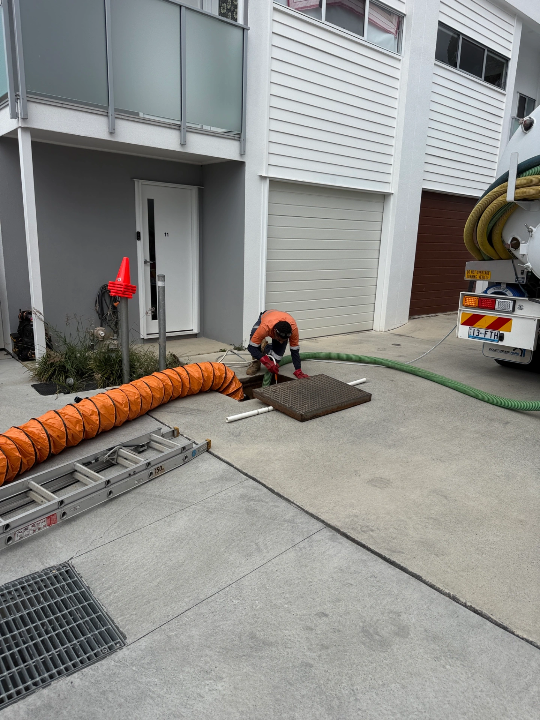
Every home and block of land is different. Call our professional and experienced wastewater specialists, and we will perform an official site inspection. We look at the size of your property, your soil type, the number of bedrooms in your home and whether there are any waterways, creeks or steep slopes on or near your property.
Can You Install A Septic Tank on Any Type of Property?
Not every property is suitable for a septic system. If your block of land sits on dense clay, is on a steep slope or is near an environmentally sensitive stream, your application will likely be rejected by the council.
In this case, councils will often suggest you install an advanced Aerated Wastewater Treatment System (AWTS) or a Home Sewage Treatment Plant (HSTP). These types of systems are much cleaner and environmentally friendly than the standard septic tanks and let treated water be safely distributed through your soil and gardens.
What Happens If You Install A Septic Tank Without Council Approval?
If you don’t get council approval before installing a new septic system, you cannot install it. Simple as that. If you decide to go ahead with the installation, you can face heavy, on-the-spot fines, rectification orders and void your system’s warranty. Using any plumbing system that doesn’t have a final inspection certificate issued by a professional is illegal, and there can be serious consequences not just to your wallet but to your property and the local environment, too.
Let Us Handle It!
Navigating government paperwork, soil assessments and confusing engineering language is overwhelming. Let our experienced and qualified septic system technicians take care of it. We’ll handle the entire process from start to finish and help you find the best septic system for your property, budget and needs.
For expert advice and personalised guidance, call our team on 0400 700 238 or fill out our online enquiry form today.