How does a septic tank work?
Call us at 1300 770 594 or fill out our online booking form to get in touch.
How Do Septic Tanks Work?
If your home isn't connected to a council mains sewer, your wastewater needs to be treated and managed on your property. But what actually happens after you flush the toilet or wash the dishes? What happens to the water and the waste? Your septic tank is one of the first stages of that process.
At Express Wastewater Solutions, we work with a wide range of onsite wastewater systems across South East Queensland. We understand that a septic tank doesn't work by itself. The tank, pipework, treatment components and disposal area all need to work together for your system to perform properly.
If you need expert advice or guidance, contact our septic technicians on 0400 700 238 or fill out our online enquiry form today.
Book A Septic Tank Expert Today
Call us at 1300 770 594 or fill out the form and we will get in touch with you as soon as possible.
So, How Does A Septic Tank Work?
Contrary to popular belief, a septic tank doesn’t just collect wastewater until it can be pumped out the other side. Septic tanks are designed to allow wastewater to settle, separate, and undergo biological treatment before the liquid left behind moves on to the next stage.
Let’s break it down:
-
Wastewater Leaves Your Home
When you flush the toilet, have a shower or do the dishes, that water enters your home’s elaborate wastewater plumbing. Wastewater can contain toilet waste, food particles from the kitchen, soap, fats and oils and other organic matter.
-
Wastewater Enters Your Septic Tank
This wastewater then enters your septic tank through the inlet pipe. Your septic tank is watertight, so it’s designed to hold your wastewater long enough for all the different materials to separate. The exact timeframe for the solids and the liquids to separate will depend on the type of tank you have and its overall condition.
As new wastewater enters the tank, the levels rise. At the same time, the treated effluent leaves through the outlet and continues to the next stage. This means that your septic tank is always receiving and releasing wastewater, and the cycle continues.
-
Solids, Liquids And Scum Separate
Once your wastewater is in the tank, gravity does most of the initial heavy lifting. Waste that is heavier than water settles towards the bottom and forms the sludge layer. Waste that is lighter than water, like fats, grease and oils, floats to the top and forms a scum layer.
Between these two layers is the effluent layer. This is the liquid portion that eventually leaves your septic tank via the outlet. This separation is one of the most important parts of how a septic tank works.
-
Naturally Occurring Bacteria Break Down The Organic Matter
A septic tank provides an environment where naturally occurring bacteria can break down the majority of the organic matter entering the tank. Conventional septic tanks rely on anaerobic biological processes, meaning the bacteria involved can function without oxygen. These bacteria then go and break down the organic matter in your wastewater and sludge layers.
However, this doesn't mean everything that enters your septic tank simply disappears.
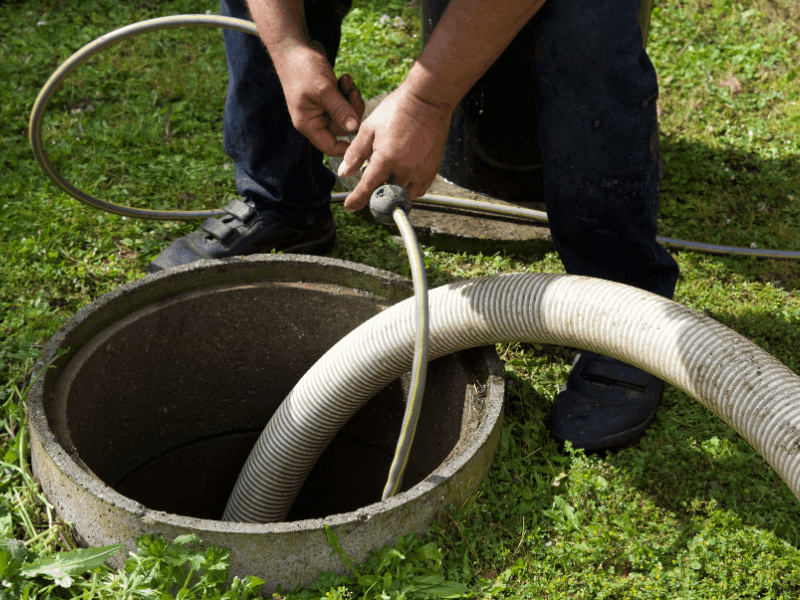
Some materials are resistant to biological breakdown. Inorganic materials, wet wipes, plastics and other non-biodegradable products remain in the tank and contribute to accumulating solids and blockages. This is one of the reasons that you need to start thinking about what you're putting into your wastewater system rather than assuming the bacteria will take care of everything.
-
Treated Effluent Leaves The Tank
As wastewater continues entering the tank, the liquid effluent reaches the outlet. The outlet is positioned so that wastewater can exit from the liquid portion of the tank without unintentionally carrying the accumulated sludge and scum with it. Depending on the type of system you have, there may also be components such as outlet filters that are designed to help prevent solids from moving into the downstream system.
This is an important distinction: just because the wastewater has left the septic tank doesn’t mean the entire wastewater treatment process is finished.
What happens next depends on the type of onsite wastewater system installed at the property.
-
Wastewater Moves To The Next Stage
After leaving the septic tank, effluent travels through the next part of the system.
This could involve:
- An absorption trench
- A leach drain
- A pump tank
- A sand filter
- A secondary treatment system
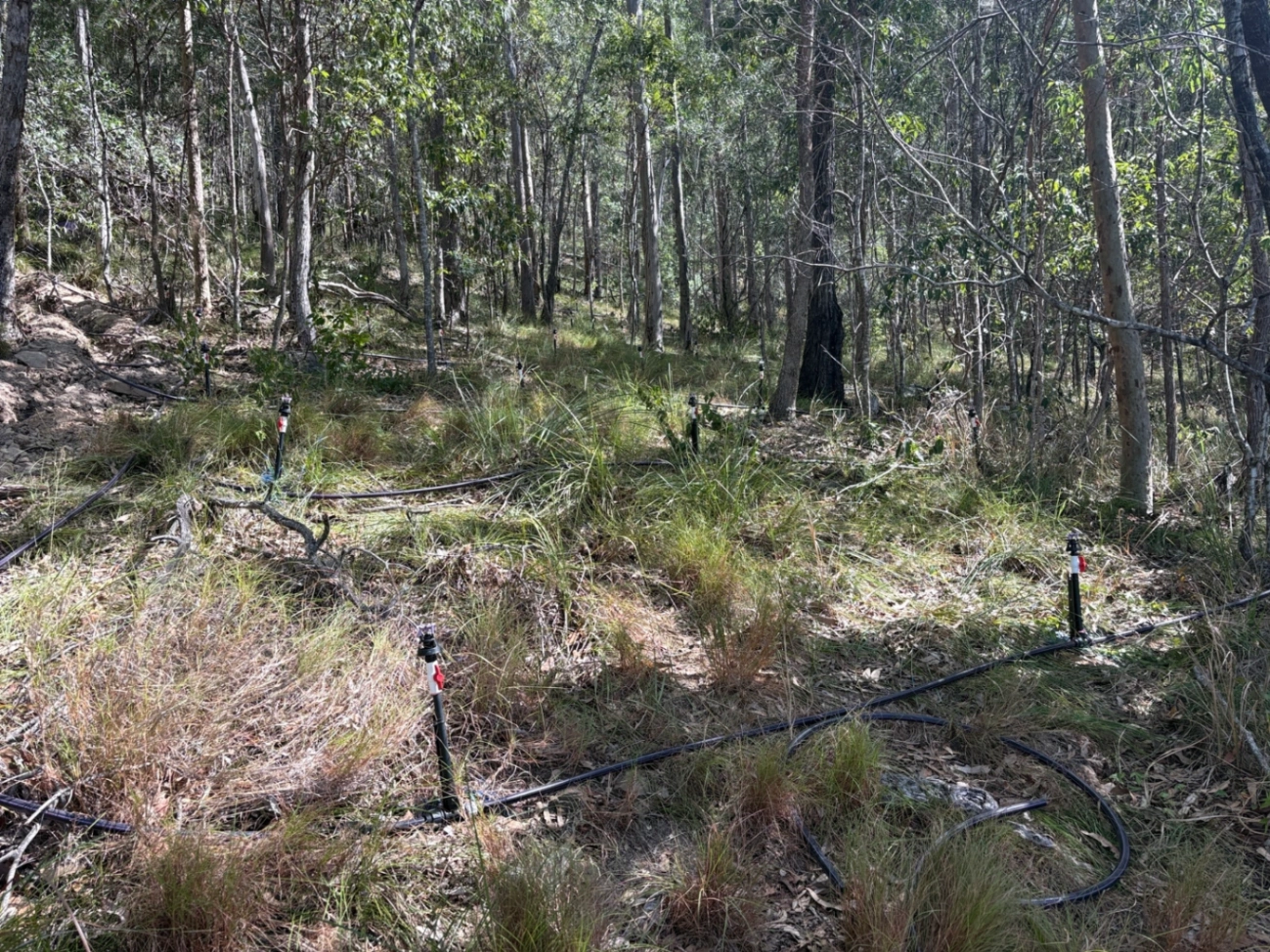
- A surface or subsurface irrigation system
- Other components specific to your property's approved wastewater system
Not every septic system is the same.
This is why when we are helping you find the right septic system for your home, our technicians look at the whole property, rather than just putting in a septic tank and hoping for the best. The right system for your home depends heavily on what soil type you have, the available land, if your block is on a slope, how much waste you use on a daily basis and what kind of septic system you need.
-
The Disposal Area Treats and Disperses the Effluent
The final stage depends on your property's disposal area.
For traditional systems, effluent moves into absorption trenches or leach drains where it is distributed evenly into the surrounding soil.
The soil then provides another important stage of treatment. As the effluent moves through the soil, physical filtration and biological processes help further reduce contaminants before the treated wastewater disperses into the environment.
Problems with drainage, soil conditions, overloading, vegetation or the condition of the disposal area can affect how well the entire septic system performs.

What Happens When A Septic Tank Gets Full?
A septic tank is supposed to contain wastewater. So when someone says their septic tank is "full", that doesn't necessarily mean there is a problem.
The concern is when the sludge and scum layers become too large, reducing the available space for wastewater to settle and separate properly.
As sludge builds up at the bottom of the tank, it gradually takes up more of the tank's capacity. If the sludge layer becomes excessive, solids can potentially move towards the outlet instead of remaining contained within the tank.
The same applies to an excessive scum layer at the top.
If solids or scum reach the outlet, they can travel into the downstream wastewater system. Depending on your system's design, this could mean material entering pipework, filters, treatment components or the disposal area, where it can contribute to blockages and poor system performance.
Signs that your septic tank's sludge and scum layers are getting high are:
- Slow-draining sinks, showers or toilets
- Gurgling sounds from household drains
- Persistent wastewater odours
- Wastewater backing up into the home
- Wet or unusually lush areas around the disposal area
- Sewage surfacing on the ground
- Recurring blockages
- Poor performance from the wastewater system
Septic Tank Maintenance
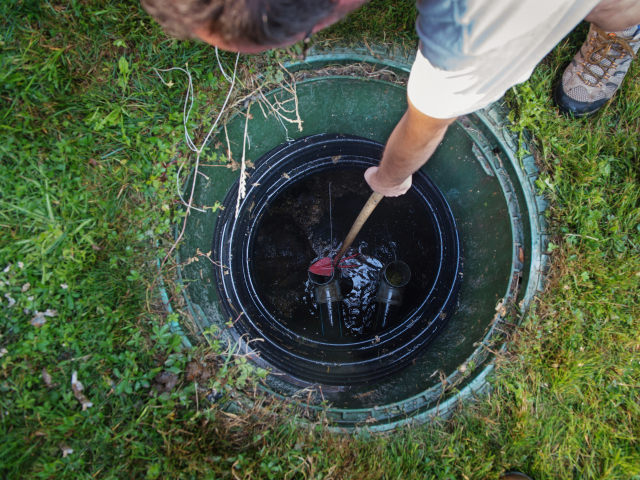
Septic tanks are often overlooked when it comes to maintenance with owners leaving the tank alone for long periods of time. You need to ensure that you have your tank pumped out at least once a year to avoid the risk of a failing septic system.
What Is A Failing Septic System?
A failing septic system is when the sludge and scum build up to a point where it makes its way up both the inlet pipe and outlet pipe of your tank. This blockage will then cause your home to be backed up and dramatically increase the risk of flooding.
Talk To Our Septic Tank Specialists Today
If you would like more information on septic tanks or would like to have a septic tank system installed then talk to our team today at 1300 770 594 . Alternatively, you can fill in our online quote form and one of our friendly staff will be able to assist you with your query.

Frequently Asked Questions About How does a septic tank work?
Septic Systems
- Septic Systems
- How Does a Septic Tank Work?
- Septic System Replacement
- Absorption Trench
- Septic Trench
- Septic Pump Tank
- Leach Drains
- Everhard Septic Tanks
- Taylex Septic Tanks
- Concrete Septic Tanks
- Septic Holding Tank
- Plastic Septic Tanks
- Septic Holding Tank
- Poly Septic Tank
- BioCycle Septic Tanks
- Above Ground Septic Tanks
- Off Grid Septic System
- Septic System Price Guide
- Help